Mwatana
HomeMwatana website
About the mapHistorical backgroundLegal frameworkThe Yemen file with the UN team

Releases

Browse releases published in the backend.

Showing 1-10 of 14 releases

Qahtan-en.jpeg
Blog

Mohammed Qahtan: Yemeni Politician and His Family in Darkness

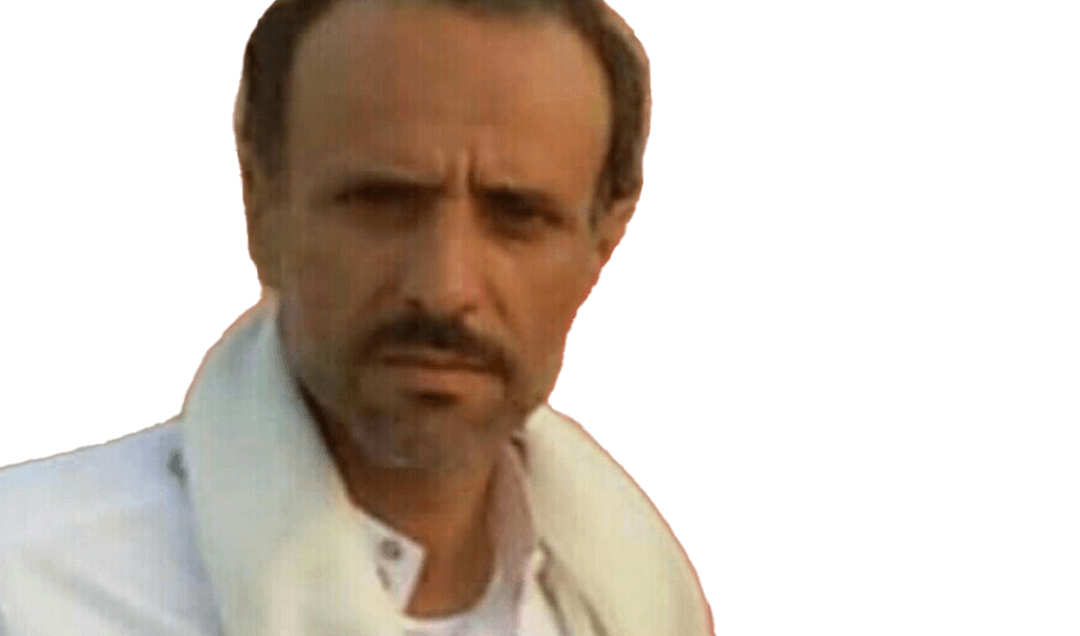
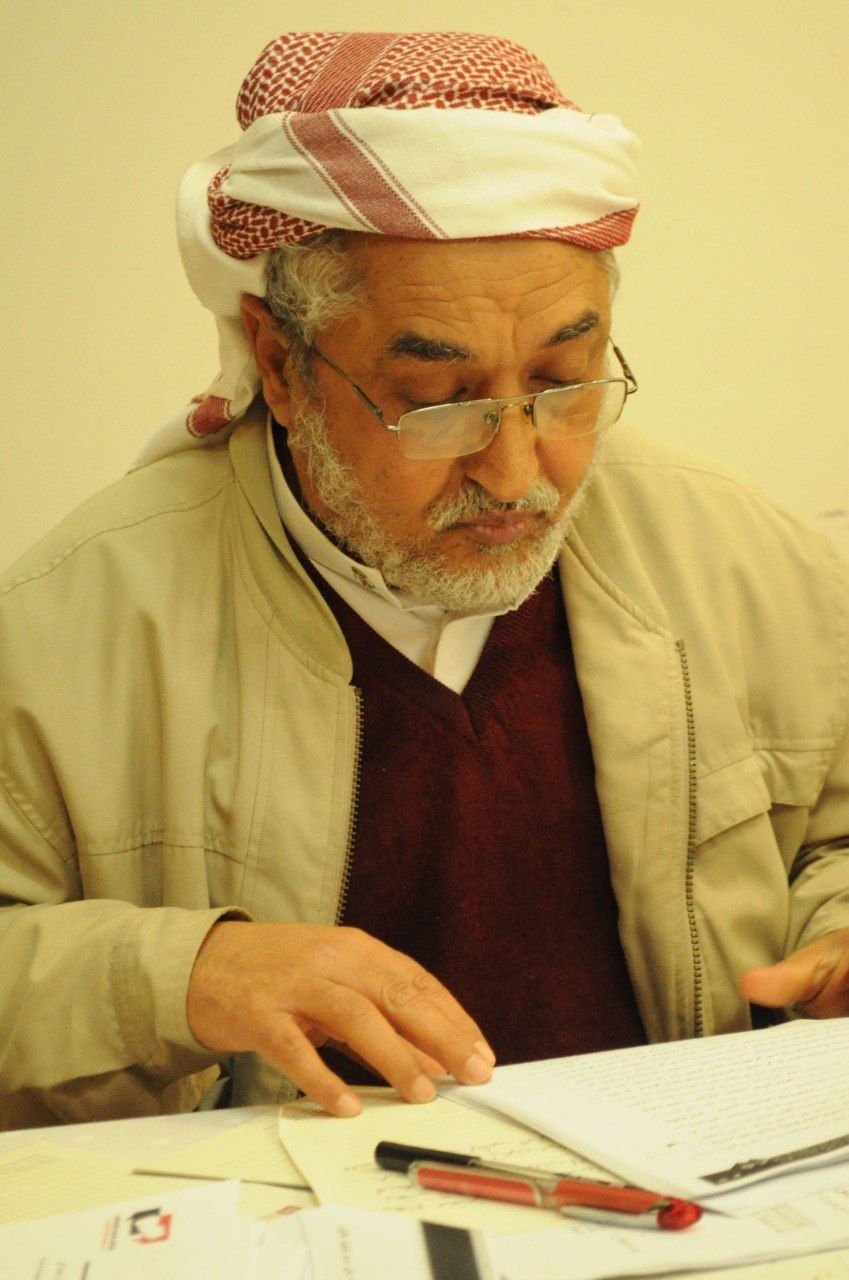
No one, not even Muhammad Qahtan’s family, expected that April 4th, 2015 would be the final day they would see his face and know with confidence that he was fine. On that day, a military force from the Ansar Allah group (Houthis) stormed the home of leading figure, Mohammed Qahtan, of the Yemeni Congregation for Reform (Islah), Muhammad Qahtan. They took him, body and soul, from his family and tossed him into the midst of complete disappearance. On April 4, 2023, Mr. Qahtan forced disappearance marked its eighth year. Eight years long and the Houthis refused to disclose his fate, with no visit, no contact. There is not any information that can be based on to make sure that his health is all right. It is a forced disappearance crime against a politician approaching his sixties, and against his family that doesn’t know whether their beloved man is in an appropriate place to sleep or suffering and lacking necessary care. In February 2015 the Houthi gunmen had stopped Mr.Mohammed Qahtan at a checkpoint in Ibb governorate when he was on his way to Taiz city and they returned him back to his house in Sana’a and put him under house-arrest until the day on which he was arrested in April. Then, they allowed his son to visit him one single time in the early days of his detention. At that time he was detained in a house belonging to one of the political leaders, the house was controlled by the Houthi group when they took over Sana’a. Afterwards, Qahtan was moved to detention and the Houthi group denied him any visit and held back from offering any clarifications about his fate. There are other detainees the Houthi group has committed the same crime against them and their own families. By doing so, the group has recalled the specter of severe political eras where forced disappearance in Yemen has got a long history of cruelty. There is still a large number of people who had been forcibly fully disappeared by the political regimes in the south and the north of Yemen since 1962, whose fates are still unknown until now. Mr Qahtan has five daughters and four sons. He has been a senior member of the High Commission of Al-Islah Party since 2007. His daughter, (23 years) told Mwatana in an interview about some details of her father’s arrest. She said a group of gunmen in the Republican Guards troops uniform boarding two Hilux pick-up cars came to their house in Al-Nahdhah neighborhood, in the capital Sana’a, at around 1:00 P.M. on April 4, 2015, they sought for her dad. She went on saying:” My father was asleep when the Houthis came, my brother and my husband prevented them from entering the house, then my father woke up and performed his Wadhoo (washed his face, hands, legs) to perform midday prayers. He told them that he would perform the prayers in their sight and go with them, but they didn’t allow him to do so and took him soon with them. she depicts the mood the family experienced in the wake of the detention saying:” We remained in darkness, we don’t know where is my father?” This glimpse has been presented by his daughter about the circumstances of her father’s forcibly disappearance is all she could say. This is what the forced disappearance crime always does it leaves the family of the disappeared person without any details or prospects. Qahatan’s wife, therefore, couldn’t answer our questions about him, but with many silent tears which have been continuing to flow down… The forced disappearance crime is extending one to touch upon the victim and his family, not only Mr. Qahtan’s family alone has experienced this ordeal. The Houthi group from September 2014 until now has carried out a series of arbitrary detention, most of which have undergone different levels of forced disappearance; a number of those detainees are still forcibly disappeared until now. Regardless of the forcibly disappeared people are in dark detentions or light may be leaked into their incarceration, and their families are living in darkness. The Houthi group should disclose the fate of Mr. Qahtan and all forced disappeared people and set them free. The group must remember that the forced disappearance crime is one of the crimes against humanity that is stipulated in the international conventions as International Convention for the Protection of All Persons from Enforced Disappearance, the UN Declaration also stipulates the protection of all persons from a forced disappearance. It is not allowed to cite exceptional conditions whether related to a state of war or the threat of war may break out or the state of internal political insatiability or any other case to justify the forced disappearance. In the international agreement for the protection of all people from a forced disappearance. Forced disappearance is:” the arrest, detention or abduction of persons by, or with the authorization, support or acquiescence of, a State or a political organization, followed by a refusal to acknowledge that deprivation of freedom or to give information on the fate or whereabouts of those persons, with the intention of removing them from the protection of the law for a prolonged period of time. The Rome basic system of the International Criminal Court (ICC) which was endorsed in Rome on May 17, 1998, the enforced disappearance implies crimes against humanity.
View release
Ehab-en.jpeg
Blog

I Searched for My Son Even Among the Corpses:Ehab Faisal… The Endless Years of Absence

In the early hours of Wednesday, November 16, 2016, a military force from the "Transport Brigade" raided the "Dar Hotel" building in the Dar Saad district of Aden. The soldiers were wearing military uniforms and were driving several vehicles belonging to the brigade, which was at that time under the internationally recognized government. During the raid, Ehab Faisal Ali Nasr Radman, a 24-year-old daily laborer, was arrested and taken to the brigade's camp in Dar Saad. ‍ In the camp, Ehab was subjected to severe mistreatment and torture, according to statements from his family, which included beatings on the hands and feet and burns to various parts of his body, including sensitive areas. After about two months, his family was allowed to visit him. That brief visit was the last proof that he was still alive. He was later transferred from the Dar Saad prison to an unknown location, and since then, security authorities have denied having any information about him, leaving his fate unknown to this day. ‍ His father, Faisal Radman, recounts that the Dar Saad camp was under the internationally recognized government, and with the escalation of armed confrontations between those forces and the Southern Transitional Council(STC), camp officials feared the site might be bombed. According to what the family learned, Ehab was taken out of his cell and placed inside an armored vehicle near the camp, a move his father considered an attempt to dispose of him in the event the site was targeted in an airstrike. The bombing never occurred, but Ehab was then moved to an unknown location, and since that moment, there has been no news about him. ‍ The family began a strenuous search between official and unofficial prisons. They visited the Dar Saad prison, the Transport Brigade camp, Bir Ahmad, and other detention sites, but all authorities denied having him in custody. On one occasion, the director of criminal investigations in the governorate called a security official in Dar Saad in front of Ehab's father, who confirmed that Ehab was in their custody, only to later retract his statement minutes later, claiming it was a mistake. Hope would arise for a moment, then suddenly be snatched away. ‍ The family filed notes and complaints to the former security director of Aden, and to the Attorney General, who referred the complaint to the head of the Appeal Prosecution, from there to the military prosecution. However, none of these entities took any real action to uncover his fate, and the case remained unresolved. ‍ During the years of searching, Ehab's mother passed away while he was still forcibly missing. Even in her last moments, she dreamed of seeing him alive and embracing him once more, before leaving this world with her heart hung on an unfulfilled hope. ‍ In March 2021, the family received a call from the Dar Saad police requesting that Ehab's father come to identify bodies found buried in the yard of the Transport Brigade commander. The father went, burdened with fear and hope, examined the corpses one by one, but informed the police that his son's body was not among them. This was not the end of their suffering, but another chapter of waiting. ‍ Since November 2016 until today, many long years have passed since the enforced disappearance of Ehab Faisal without any charges, or any judicial proceedings, or enabling his family to know his whereabouts. His fate remains unknown, within a broader context of enforced disappearances that have occurred in Aden and other areas during the years of conflict. ‍ The internationally recognized government must reveal the fate of Ehab Faisal and all those forcibly disappeared, release those held arbitrarily, work to end the crime of enforced disappearance that still affects hundreds of victims in Aden and other regions, and open independent and transparent investigations to identify those involved in the crimes of enforced disappearance and hold them accountable, as well as provide redress for the victims and their families and compensate them for their suffering. ‍

View release
eman-en.jpeg
Blog

Eman Al-Bashiri:Enforced Disappearance for the Second Time in Sana'a

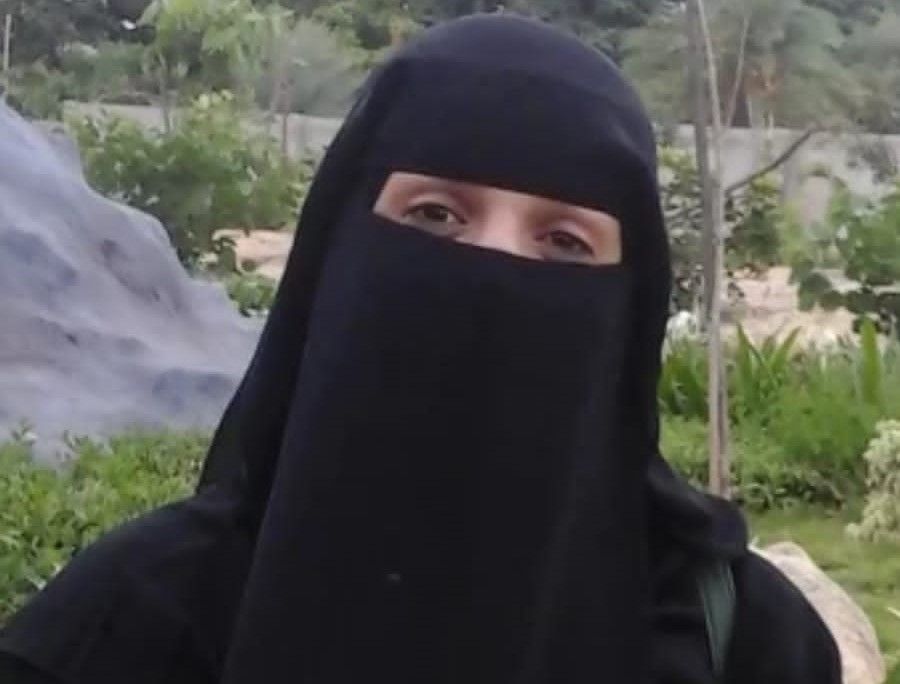
On Friday, June 26, 2020, it seemed like an ordinary day in the Bayt Mayad neighborhood of the Sab'een District in Sana'a city. Eman Muhammad Yahya Al-Bashiri, a 34-year-old Yemeni woman and housewife, was going about her daily life when she left her home in the afternoon. However, something broke that day, as she simply did not return — she was forcibly disappeared. ‍ This was not the first time Eman had been subjected to disappearance. She had endured another enforced disappearance in February 2019. That day, Eman went out to throw away the garbage but did not come back. A car with tinted windows stopped beside her, containing two women and a man in civilian clothes. They asked her for the location of the Ministry of Education, then she felt a prick in her hand and lost consciousness. ‍ Her mother, Mrs. Habiba Muhammad, 60 years old, recounts bitterly: "In the first instance, Eman went out to throw away the garbage. A car stopped beside her, with two women and a man in civilian clothes. They asked her where the Ministry of Education was, and then she felt a prick in her hand and lost consciousness. We searched for her for a long time until we received a call from an unknown number. It was Eman on the other end, crying and asking us not to abandon her." ‍ After six months, on a day in December 2019, Eman returned home. But what returned was not the same body, nor the same soul. She was frighteningly emaciated, her skin covered in bruises, crawling on the ground because she could no longer walk. Her vacant eyes... all told a story that words failed to express. ‍ Her mother, Mrs. Habiba Muhammad (60 years old), with tears in her eyes, says: "My daughter didn’t want to talk much. She dismissed us with sarcastic smiles. She told us once: 'I was in prison, not in a hotel.' That was all we got from her." ‍ Despite her wounds, Eman began to regain some of her health, little by little. However, fate did not allow her much time. In June 2020, just six months after her release, Eman went out to buy some food and forcibly disappeared again, as if the earth had split open and swallowed her. ‍ Since that day, the family has not received any confirmed news about her. They knocked on every door, filed official memorandums, enlisted lawyers, and appealed to security and judicial institutions. Yet no one responded. The replies ranged from "We don’t know" to "We don’t have her," and sometimes even "Maybe she ran away." ‍ Her mother says: "We went to the criminal investigation unit; at first, they denied her existence. Then suddenly, they contacted us during Ramadan 2023, telling us: 'Bring a paper from the neighborhood chief and come to take her.' We rejoiced, we cried, we hurried... but upon our arrival, they said she was not there. After that, they requested clothes and food for her, then returned to deny everything." ‍ The voice of Eman's mother is not unfamiliar in Yemen. It is the voice of dozens of mothers, wives, and daughters who carry pictures of their missing loved ones, moving from one place to another between confusion and hope, knocking on closed doors, searching for a spark of truth or a thread of mercy, only to know: "Are they still alive?" ‍ The Ansar Allah armed group (Houthis) must reveal the fate of Eman Al-Bashiri, disclose the fate of all forcibly disappeared individuals, release all those detained arbitrarily, work to end the crime of enforced disappearance that still affects hundreds of victims in areas under their control, and open transparent and independent investigations to identify those involved in the crimes of enforced disappearance and hold them accountable, as well as provide redress for the victims and their families ‍

View release
ahmed-en.jpeg
Blog

An Empty Seat at the Breakfast Table: Where is Ahmed?

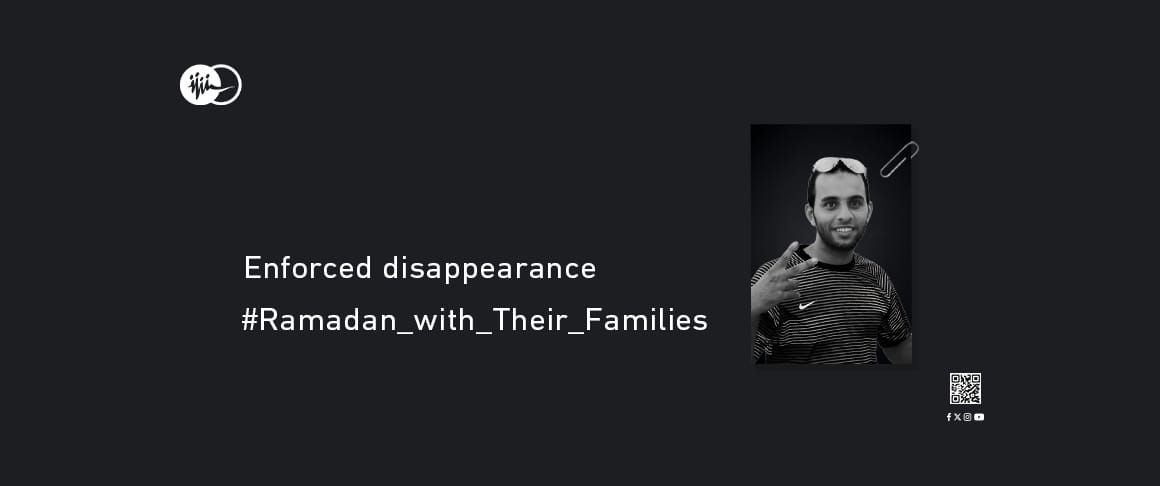
On a calm Ramadan evening, Thursday, May 9, 2019, corresponding to the fourth of Ramadan 1440 AH, Ahmed Fayez Salem Baymin left his home in the Eastern Dhaban area of the Ghayl Bawazir district, Hadhramaut governorate. The moments before the Maghrib call to prayer passed with a familiar rhythm: the aromas of food wafting from homes, and the sounds of minarets preparing for the call. Ahmed wore his traditional dress, performed ablution, and then left with his father and brother to the neighborhood mosque, as he usually did on nights during the holy month. There was nothing in the scene to suggest that those steps would be the last he took freely. ‍ Ahmed was twenty-two years old, a student at the Technical Institute in Mukalla, studying Air Conditioning and Refrigeration. A simple young man in his ambitions, calm in demeanor, close to his family, and known among his neighbors for his good character. He had no known political or security activity, nor was he wanted by any party. He dreamed of a decent job and a stable future, like thousands of young people in his country. ‍ After the Maghrib prayer, while returning home with his brother and a neighbor, a civilian "Hilux" truck pulled up beside them. Three men in civilian clothes and masked faces got out, not presenting any legal documents or official identification. They approached Ahmed suddenly, grabbed him forcefully, and although he tried to resist, they quickly restrained him, covered his head with a black bag, and shoved him into the truck, which sped away. It was a fleeting moment, confusing, leaving behind only his brother's cry and the dust on the road. ‍ His family began searching for him immediately, moving between hospitals, police stations, checkpoints, and military camps, but they received no clear answers. Responses varied from denial to silence. Eventually, the family learned that the vehicle that abducted him had come from the Quartz camp in Hadhramaut, a camp belonging to the Hadhrami Elite Forces under the Saudi / UAE-led coalition. When his father went to the camp for inquiries, he was told that his son had been arrested by the Emirati forces affiliated with the coalition stationed at Al-Riyan Airport in Mukalla and had been handed over to them. After that, no further official information was released. ‍ Ahmed was never presented to a judicial authority, his family was not informed of his detention, and they were not permitted to visit or communicate with him. Weeks turned into months without any contact or official statement. His room remained as he left it, his clothes in their place, while waiting became a daily part of the family's life. ‍ About a year later, released individuals from the Al-Riyan airport detention center reported seeing Ahmed in a cramped cell, in deteriorating health, and confirmed he had been subjected to mistreatment. Those unofficial testimonies were the only evidence his family clung to. Despite this, no official party acknowledged his detention, and no documented information regarding his fate was provided. In a brief statement attributed to an Emirati officer when his family contacted him, it was mentioned that he was released two weeks after his detention, without any evidence to confirm that or clarify his whereabouts after the alleged release. ‍ Since May 9, 2019, corresponding to 1440 AH, until today, February 21, 2026, corresponding to the fourth of Ramadan 1447 AH, a full seven years have passed with Ahmed's complete absence, without his family knowing anything about his fate or whereabouts. ‍ Ahmed's case represents an instance of enforced disappearance according to international standards, where a person is deprived of their liberty at the hands of an armed group, and then their fate is concealed or their whereabouts denied, preventing them from legal protection and keeping their family in a perpetual state of anxiety and open-ended wait. ‍ Every new Ramadan, the fourth of the month returns laden with the same memory: a call to prayer rising in the sky, a young man who went out to pray and did not return, and a seat that remains empty at the breakfast table. ‍ The Saudi / UAE-led coalition and its affiliated forces in Yemen must disclose Ahmed's fate, as well as the fate of those who are forcibly disappeared in their custody, and immediately release him and all those detained arbitrarily in their facilities, close unofficial detention centers, cease torture and other forms of inhuman and degrading treatment, identify those involved in crimes of enforced disappearance and torture, hold them accountable, and provide redress for the victims and their families, and restore their rights.

View release
akram-ar.jpeg
Blog

Akram Al-Bukhaiti: When the Search for a Livelihood Becomes a Source of Extended Absence and Endless Suffering

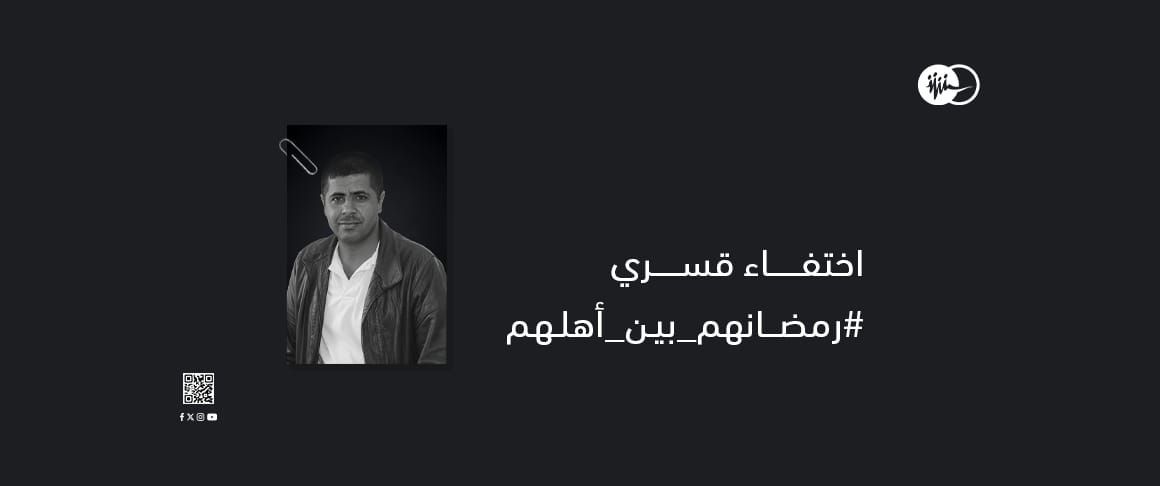
On a quiet autumn morning on October 5, 2022, Akram Muhammad Husayn Da'r Al-Bukhaiti left his home in Sana'a, unarmed and without slogans. He wasn't seeking glory or power; he was searching for a simple job that could help support his family, which had been exhausted by the suspension of salaries and the prolonged war. Akram is a civil servant in the Student Affairs Department at Sana'a University—an educated, calm man who had never engaged in politics and never anticipated that his quest for employment would turn into a tragedy. ‍ Accompanied by a friend, he embarked on a short journey to Marib, a governorate that promised job opportunities, with a salary that could sustain his family. However, at the first checkpoint at the entrances of Marib, hope came to a halt, and something else began. He was told there, in simple words yet heavy in implications: "You are from the Houthis; you are from the Al-Bukhaiti family; you came to spy." ‍ Even after his denial, Akram was taken to the Political Security headquarters in Marib, affiliated with the internationally recognized government and associated with the Yemeni Congregation for Reform party. From that moment, all contact was lost. Long hours of anxiety turned into days of silence, then weeks with no news. His wife, who awaited his return daily, never heard his voice. ‍ After two months, the family reported receiving unofficial information that he was in what resembled a dark basement within the Political Security, drinking contaminated water, with access to water sources only every two days. A friend who had been taken with him was later released and was the first to inform Akram's family of his whereabouts. That faint information felt like a spark of hope in a long, dark night. ‍ His wife tried to reach him, contacting the head of Political Security, merely asking for a voice. The reply she received was brief: he was detained due to "suspicion" because his name resembled that of others. They asked her to come in to provide a guarantee, but she was alone in a city that didn't open its doors for her, and her family couldn't accompany her for fear of what might happen to them too. ‍ Then came the call she never expected to be her only remaining connection in this world. A brief call, lasting less than a minute, in which he said with a faint voice: "I am okay... take care of the kids." Those were few words—a message from a man who didn’t want to burden his wife with the full reality of his circumstances. ‍ He called only twice in 2023, using the same terse style, and today his voice has been silenced for over a year. When his wife attempted to inquire again, she received a different response: "We do not have anyone by that name." A blatant denial of what had been acknowledged months before. ‍ Today, Akram's wife and their four children live in a painful dream suspended between reality and waiting— a home without a father, and hearts burdened with a single unresolved question: Is he still alive? Is he being treated with dignity? Will he return? ‍ This is not just an individual story; it is a vivid portrayal of the impacts of arbitrary detention and enforced disappearance on individuals and their families, on their right to work, to freedom, and to life itself. It is a call for officials to fulfill their responsibilities: to reveal his fate, to enable contact with his family, and to conduct a transparent investigation into the circumstances of his detention. ‍ The authorities of the internationally recognized government in Marib and the formations affiliated with the Yemeni Islah party in the governorate must reveal the fate of Akram Al-Bukhaiti and all others who have been forcibly disappeared under their jurisdiction, put an end to the crime of enforced disappearance that continues to affect numerous victims in all areas under their control, and ensure reparation for the victims and their families, and justice for them.

View release
Mutaz-en.jpeg
Blog

Mu'taz Al-Shujaifi: Six Years of Disappearance

It has been six full years since Mu'taz Abdul Hamid Al-Shujaifi left his home on a cold evening in February 2020. Six years of heavy waiting, exhausting searching, and unquenchable hope. Six years have passed with holidays and seasons changing, faces transforming, and ages growing, yet Mu'taz's place in the house remains unchanged, his picture still hanging on the wall, and his name continuously present in every prayer. His absence is no longer a fleeting incident; it has turned into an ongoing time of its own, a continuous crime that renews itself every day. ‍ On the evening of February 24, 2020, at eight o'clock, Mu'taz (26 years old) rose from his seat in his home in Al-Hawban, an area controlled by the Ansar Allah armed group (Houthis) in Taiz Governorate. He informed his older brother Mazen that he would go out for a while and then return. He did not take his phone, as it had run out of battery. There was nothing suspicious about it; he was accustomed to stepping out for errands or to visit a nearby friend, returning shortly afterward. However, that night was unlike any before. Mu'taz went out… and never returned. ‍ During those days, he was planning to travel to the city of Taiz to visit his mother, whom he had not seen for many months due to the blockade and division imposed by the war. Longing for her accompanied him, and he often spoke of their forthcoming reunion, yet the trip he eagerly awaited never happened. ‍ As hours passed, concern crept into his brother's heart. Mazen tried to convince himself that Mu'taz might have suddenly decided to visit their mother without informing him, but a heavy feeling pressed on his chest. He couldn't sleep that night. With dawn breaking, he called their mother, hoping to hear Mu'taz's voice, only to find out she hadn’t seen him for months. At that moment, he realized this was no ordinary absence. ‍ He approached the security authorities and filed an official report, leading to the opening of a case and its referral to the Criminal Investigation Department. From that day on, a long journey began, moving between police stations, prisons, and official offices, seeking any information, any trace, any lead that could lead to him. Many doors were knocked on, and numerous promises were made, yet without any results. ‍ Later, he received unofficial information suggesting that Mu'taz might be detained in Al-Salih prison, one of the detention centers in areas controlled by the Ansar Allah armed group (Houthis) in Taiz. In a desperate attempt to hear his voice or ensure his safety, he reached out to someone who claimed he could help them for a fee. The family paid what they could, but that person disappeared after taking the money, adding a new wound to the series of open injuries. ‍ As the years passed, the story transformed from merely the disappearance of a young man into a daily tragedy endured by the entire family, especially his mother, who was worn out from waiting and crying. Six years filled with unanswered questions: Where is he? Is he okay? Is he being mistreated? Is he still alive? ‍ Every Ramadan, his chair remains vacant at the table. At every joyful occasion, laughter is absent. Every night, everyone stares at the door as if waiting for it to open suddenly, expecting Mu'taz to enter with a smile, just as he used to. ‍ From February 24, 2020, until today, six full years after his disappearance, his fate remains unknown. His disappearance is no longer a past event; it is a continuous violation that renews itself with each passing day without uncovering the truth. ‍ The Ansar Allah group (Houthis) must reveal the fate of Mu'taz Abdul Hamid Al-Shujaifi, release all arbitrarily detained individuals, work towards ending the crime of enforced disappearance and the related violations affecting hundreds of victims in areas under their control, and open independent and transparent investigations to identify those involved in forced disappearance crimes and hold them accountable, seeking justice for the victims and their families, and providing them with reparations.

View release
mutaz.jpeg
Blog

A Heart-Wrenching Tale of Loss: The Enforced Disappearance of Mutaz Al-Shujaifi

"In the eighth hour of a February evening in 2020, Mutaz and I were at home before he ventured into the unknown. When I inquired about his destination, he assured me of his return, leaving behind his mobile phone with a drained battery," Mazen Al Shujaifi (40 years old) begins, recounting the story of his brother Muath Al Shujaifi (25 years old) who vanished forcibly four years ago. "He was a young man full of aspirations, having obtained a bachelor's degree in graphic design and worked as an employee at the 'Mass' advertising company," Mazen continues, his voice tinged with both pride and sorrow. "I thought he was just heading to the market to buy essentials; he had planned to visit our mother whom the circumstances of war and siege had kept him from seeing. Our mother resides in the city, and Mutaz was determined to travel to her for almost two days. Night fell, and we waited for Mutaz's return, lingering until late hours, but he never came back. Fear and worry crept into my heart, especially amidst the rampant insecurity and the harsh realities of war. To ease my troubled mind, the thought crossed my mind that perhaps he had suddenly decided to journey towards Taiz." "Sleep eluded me, my mind consumed with wishing for his safety and praying for no harm to befall him. Long hours of anxiety and anticipation followed, yet never did it cross my mind that I would not see my brother again, especially since he was a peaceful civilian, unaffiliated with any warring faction. The days turned into weeks, the weeks into months, each passing moment marked by aching uncertainty and unanswered questions, a relentless ache that lingers to this day, a silent reminder of a life lost to the shadows of enforced disappearance." Mazen said. "As the night descended into its quiet depths, enveloping me in a shroud of solitude, I found myself grappling with the need for more time to gather my scattered thoughts. Reluctant to burden our dear mother with my concerns, I waited until the following morning to seek solace in her presence, only to be met with a jolting revelation - she hadn't laid eyes on him for over two long, agonizing months. Her failed attempts to reach him echoed in my ears, a haunting reminder of his inexplicable absence." He added. ‍ "Stumbling over my words, a sense of unease gnawed at my core as I struggled to offer reassurance, clinging to the fragile hope that he might be in the company of friends. With a heavy heart, I hastened to the corridors of justice, where I poured forth the harrowing tale of his disappearance, each word a plea for answers that seemed to elude me at every turn." "In the solemn chambers of the Criminal Investigation Director, I unburdened my soul, recounting the details of our ordeal. His solemn pledge to delve into the shadows that concealed my brother's whereabouts offered a glimmer of hope amidst the darkness that threatened to engulf us. Yet, as the days unfolded in a haze of uncertainty, the Director's updates painted a stark picture - despite tireless inquiries in prisons and departments, the elusive trail of my brother remained cold, a riddle unsolved." With each passing moment, my heart weighed heavy with worry for my brother, my steadfast companion in life. The world dimmed in the tear-filled eyes of our mother and siblings, a somber symphony of grief that echoed through our shared silence. As I retraced our conversations in a bid to unearth a clue, a beacon of light in the enveloping darkness, I found myself met with closed doors at every turn, each avenue leading to a dead-end in my relentless search for answers. "I found myself making frequent visits to the Criminal Investigation Department, and at times, I would reach out to them over the phone, eager for any updates that might shed light on the situation. In the course of my relentless pursuit, a contact within the Ansar Allah (Houthi) group, who preferred to remain unnamed, shared a troubling revelation - my brother, Mutaz, was reportedly being held captive in Al-Saleh city. However, the contact made a demand for a financial payment in exchange for the opportunity to communicate with my brother, assuring me that he would reach out once the circumstances allowed, upon receiving the agreed sum." "A fleeting sense of hope flickered within me, only to be cruelly snuffed out as the line of communication abruptly went silent, leaving us stranded once again in the desolate realm of despair. Our exhaustive search for Mutaz led us down myriad paths, each promising a glimpse of truth. Yet, we encountered tales of deception and emotional manipulation, casting shadows of doubt and uncertainty over our quest." "Weary and worn down by the relentless pursuit of a lifeline, my mother bore the weight of Mutaz's absence with unwavering strength. His image lingered in her thoughts, a constant presence that evoked a cascade of tears and a deep ache in her heart. As the youngest and dearest of her children, his absence left a void that no amount of solace could fill. Stories of confinement and suffering only served to deepen her sorrow, drawing her into a wellspring of grief that seemed bottomless." "Despite the trials and tribulations that beset us, my mother clung steadfastly to her faith in God, her belief unwavering in the face of adversity. With each passing day, she found solace in the conviction that Mutaz would one day return to us, bringing light back into our lives and restoring the joy that had been lost in his absence. Yet, every fleeting moment of happiness was quickly overshadowed by the ever-present anguish and the unrelenting pain that refused to be silenced," Mazen concludes. ‍

View release
hadi-ar.png
Blog

From the " Funeral Hall " to the Great Loss: wandering in a torrent of questions

Hussein al-Hadi, a 55-year-old tribal elder from the Khawlan al-Tayyal district in Sanaa governorate, was among those who arrived to offer condolences to the al-Ruwaishan family at the " Al-Saala Al-Kubra" in southern Sanaa. This was on the evening of Saturday, October 8, 2016, the same day the hall was bombed by the Saudi-Emirati-led coalition. Hussein was one of the injured. After the incident, his daughter, Abeer al-Hadi, recounts that the family started searching for him. When they reached the bombing site, they were informed that their father had been transferred to the Modern German Hospital. They rushed there, where they met with the attending doctor who assured them that their father was in good condition, suffering only minor injuries, adding, "His friends came and took him." The family was shocked by this news and requested to review the hospital’s surveillance footage, only to discover that their father had been kidnapped. At that time, the family had no idea who had abducted him or where he had been taken. According to his daughter’s testimony, the family later received information that he was being held at the central prison in Amran, under the control of Ansar Allah (Houthi). This information came on October 22, 2016, fourteen days after he was injured in the bombing of the Al-Saala Al-Kubra in Sanaa. Some family members went to the prison in hopes of seeing him. Upon arrival, they were informed by the prison director that their father was being held on charges related to the Al-Saala Al-Kubra bombing but was prohibited from receiving visitors. The family was gravely concerned about his health, but the prison director assured them that his health was stable and he had recovered. They returned to Sanaa without being able to visit him and held a meeting at the home of Sheikh Abdul Samad Duwaid. Sheikh Duwaid then contacted the prison director, who confirmed that the victim was in their custody and that they would eventually be allowed to visit him. The next day, several members of the Bani Shaddad tribe went to visit him in the Amran central prison, only to be shocked when the prison director completely denied his presence and refused to allow them entry, reneging on his previous promise. In 2017, seven months after his enforced disappearance, the family continued their efforts and managed to obtain a memorandum from the Specialized Criminal Prosecution, directed at the Political Security Organization (now the Security and Intelligence Service), requesting permission for them to visit him. Yet, the Political Security Organization denied having him in their custody. The family did not give up; they continued to pursue the case, knocking on every door. In 2020, they submitted a memorandum to the former Attorney General, asking for his whereabouts to be revealed. However, the Director of the Attorney General’s Office refused to let them meet with the Attorney General and informed them that their father was being held by the National Security. The Office of the United Nations High Commissioner for Human Rights then intervened, facilitating a meeting with the Attorney General. However, according to the daughter, the Attorney General provided them with no useful information. In 2023, the family made repeated appeals to several security agencies to uncover his whereabouts, but all responses stated that he was not in their custody. The family then reached out to a member of the Supreme Political Council, who informed them that their father’s case had reached Abdul Malik al-Houthi’s office. Later, they received a call from the Prime Minister’s Office, stating that Abdul Malik al-Houthi’s office had recommended they follow up with an official at the Ministry of Interior. However, they were unable to reach this official. During a subsequent visit to the same Supreme Political Council member's office, the family was informed of a directive from Abdul Malik al-Houthi’s office to release their father, yet this release has not occurred. During this time, Abeer mentions that a friend of her younger brother suggested they reach out to someone named "M. Sh." to follow up on their father’s case. When her brother met with this person and explained the situation, he informed them that there were two unidentified bodies from the Al-Saala Al-Kubra bombing and that her brother should conduct a DNA test. Her brother initially refused, but "M. Sh." insisted, stating that the order to perform the test came from a senior official at the Ministry of Interior. Nonetheless, the family refused to conduct the test, convinced that their father was alive and had been forcibly disappeared. Abeer wonders, "Why, after seven years, does this high-ranking official now request a DNA test, knowing about the case since the day of the incident?" According to the daughter, their conviction that their father is still alive was reinforced when they heard his voice in a video broadcast by al-Masirah Channel, in which he called out to their cousin three times. Additionally, his phone continued to receive messages sent by the family for three months after his disappearance. The family has suffered immensely in their pursuit of Hussein al-Hadi’s case. Despite the trauma they endured from the Al-Saala Al-Kubra bombing and their initial optimism about his condition, they were later devastated by his enforced disappearance. To this day, the family of the disappeared, Hussein al-Hadi, remains lost amidst a sea of questions and mounting suffering, especially as he was the sole provider for his family of seven children (five daughters and two sons), two of whom have mental and physical disabilities. These circumstances have left the family in dire financial and emotional distress, with the only hope of his children and loved ones being to see him alive and reunited with them once more. The Ansar Allah (Houthi) group must disclose the fate of all those forcibly disappeared, put an end to the crime of enforced disappearance that continues to affect the families and loved ones of the victims, release them, provide redress for their harm, ensure justice, and terminate other enforced disappearance crimes in all areas under their control. ‍

View release
eman.jpeg
Blog

Between Two Disappearances and a Sting in the Arm": Women Were Not Even Treated Well!

Eman Mohammed Yahya Al-Bashiri, a 36-year-old devoted homemaker and mother of three, found herself ensnared in the grip of enforced disappearance orchestrated by the Ansar Allah (Houthi) group on that fateful Monday of February 4, 2019. Her vanishing act was shrouded in a veil of indifference, a stark reflection of the challenges faced by women in a traditional tribal society. While on a routine trip to discard household waste, Eman encountered a group of individuals in casual attire who sought directions to the Ministry of Education. Little did she know that this seemingly innocuous interaction would lead to a sharp sting in her arm, a sudden loss of consciousness, and a subsequent loss of trace by her concerned family. Eman's mother, the resilient Habiba, embarked on a relentless quest to locate her missing daughter, resorting to filing reports with law enforcement and relevant authorities. Despite her unwavering efforts, the passage of six long months saw no tangible progress. It was during this agonizing period of uncertainty that a mysterious call from an unknown number reignited a flicker of hope within the family. The voice on the other end belonged to none other than Eman herself, revealing her captive status under the Ansar Allah (Houthi) group and imploring her loved ones not to forsake her. In a bittersweet turn of events, Eman reappeared at her doorstep in December 2019, a mere shadow of her former self. Her physical form bore the brutal imprints of her captivity: a fragile frame, shorn locks, and the haunting remnants of visible torment etched upon her skin. Her road to recovery was a slow and arduous one, marked by a hesitant stride and a guarded silence that shielded the horrors she endured. Yet, with each passing day of freedom, she gradually began to reclaim her strength and heal the wounds that ran far deeper than the eye could see. However, the heart-wrenching tale took a tragic turn on June 29, 2020, as Eman vanished once more, leaving her family in a state of perpetual anguish. Despite setting out on a simple errand to purchase food, she never made it back home, plunging her loved ones into a deafening silence devoid of any news or leads. Eman's mother, already burdened by the ravages of cancer, felt the weight of her declining health as she relentlessly searched for her missing daughter. Her desperate quest yielded no solace, deepening the shadows of uncertainty that loomed over the family. Today, the Al-Bashiri family persists in their relentless pursuit of Iman, who has disappeared for the second time, all while facing a callous disregard from the very authorities entrusted with safeguarding their welfare. Amidst the harsh realities of their existence, they grapple with the unknown, unsure of how to navigate the treacherous path ahead in their desperate search for their beloved daughter and the struggle to meet their basic needs. Sadly, Eman's destiny remains shrouded in mystery, casting a somber pall over her family as they confront each passing day with dwindling hope, their resolve tested by the relentless march of time and the crushing weight of uncertainty. The Ansar Allah group (Houthi) must reveal the fate of all those forcibly disappeared, end the crime of enforced disappearance that continues to affect the families and loved ones of the victims, release them, provide them with redress and justice, and end other crimes of enforced disappearance in all areas under their control. ‍

View release
khaled.jpeg
Blog

He ventured out and never returned!:"A victim abandoned by justice and a family left without a caregiver."

Khaled Ahmed (20 years old, a pseudonym) from the Al-Shamaytin district in Taiz governorate had a routine of setting out early in the morning with the first light of dawn, seeking to alleviate the hardships faced by his family amidst their state of poverty and deprivation. Their sole means of livelihood relied on the earnings Khaled made from collecting and selling prickly pears in the market. Nevertheless, he tragically fell victim to enforced disappearance in the shadows of justice's absence. Khaled's mother, recounting the harrowing tale to Mwatana for Human Rights, narrates the story from its inception, recalling: "At eleven in the afternoon on July 18, 2023, Khaled was in the Al-Hadharem neighborhood, gathering prickly pears for sale at the market, when a military-colored vehicle abruptly halted beside him. A civilian-clad individual and three armed men dressed in black and brown military garb emerged from the vehicle. They approached him and whisked him away to the Al-Shamaytin Security Administration, shrouded in an aura of mystery and fear." The mother continued, "Witnesses of my son's apprehension informed me that he was taken into custody and escorted to the Al-Shamaytin Security Administration. The subsequent day, I hastened to the Security Administration in search of my son and to ascertain the grounds for his detention. There, I encountered the deputy security director, who remained reticent about the cause and merely stated that Khaled's detainment was sanctioned by the commander of the Fourth Mountain Infantry Brigade aligned with the internationally recognized government forces. On the ensuing day, I proceeded to the military intelligence headquarters within the brigade, where I was informed that my son stood accused of espionage for the Houthi Ansar Allah group. The allegation struck me with disbelief, for I knew my son's character and his innocence of such charges." In a heart-wrenching testimony, Khaled's mother poured out her anguish, revealing, "Khaled was held captive at the Al-Shamaytin Security Administration for a fortnight, during which fleeting visits were permitted. I diligently brought him sustenance, comforting drinks, and fresh attire. But when they whisked him away to the confines of the Fourth Mountain Infantry Brigade prison in Taor Al-Baha, Lahij, my beloved son was cruelly hidden from my desperate gaze, and access to him was callously denied." With tears glistening in her eyes, the sorrowful mother continued, "Embarking on a grueling journey across treacherous terrains from Taiz to Lahij, I reached the imposing gates of the Fourth Brigade in Tur Al-Baha, only to be barred from embracing my detained child. This heart-wrenching ordeal repeated itself twice, each instance deepening my turmoil and fear for his welfare." With a heart weighed down by sorrow, the mother of the victim poured out her lament, "Our days are enveloped in the darkness of severe economic struggles. His father grapples with an unyielding mental torment, relying on a steady stream of medications. Khaled, our family's guiding light, now dwells in the depths of enforced disappearance. I carry the heavy burden of his absence, compounded by the ceaseless demands of running the household and tending to my ailing spouse with unwavering devotion." From the fateful day of Khaled's apprehension on July 18, 2023, followed by his haunting disappearance, the veil of justice has yet to be lifted. Despite the deepening anguish of his kin, the mother's fervent appeals for his visitation and impassioned pleas to the authorities for his release have all been met with a resounding silence. The specter of enforced disappearance continues to cast its long shadow over Khaled, his shattered family, and all who hold him dear, a harrowing testament to the enduring pain of their unanswered cries for justice. It is paramount for the Attorney General in Aden, the Southern Transitional Council, the Presidential Council, the internationally recognized government, and the Saudi and Emirati-led coalition to reveal the whereabouts of all those who have been forcibly disappeared. They must bring an end to the abhorrent practice of enforced disappearance that continues to inflict untold suffering upon the victims, their families, and their cherished ones. It is crucial to secure their release, provide them with the restitution they deserve, and deliver justice. Furthermore, it is essential to eradicate all instances of enforced disappearance in Aden governorate and across all Yemeni territories under the jurisdiction of the Southern Transitional Council, the Presidential Council, the internationally recognized government, and the coalition forces under the leadership of Saudi Arabia and the UAE. ‍

View release

Page 1 of 2

Report an incidentRequest infoSuggestions and feedback
Mwatana for Human Rights

Document - Support - Influence

A Society in which human rights and justice are enjoyed by all

Mwatana websiteAbout the mapHistorical backgroundThe Yemen file with the UN team

Follow us

Copyright © 2026 Mwatana